

Have you ever wondered what happens to your trees in winter? Are you trying to prepare for this winter, but you’re not sure what to expect from the weather in Valparaiso and Northwest Indiana and what effect it may have on your trees? Trees are amazing plants, and they have many tactics that help them survive in the winter!
In this article, we discuss how lake effect snow can be harmful to your trees, why injury sometimes occurs, and what you can do to help your trees this winter. Whether you’ve had trees for years or this is your first time caring for trees in winter, it’s important to be prepared for any weather this winter throws at you. As always, if you have questions or concerns, it’s also a great idea to contact your local, trusted tree company.
What is Lake Effect Snow?

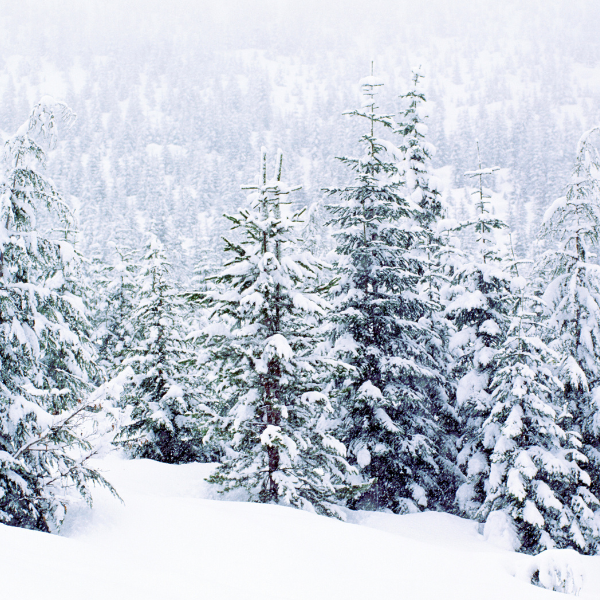
The lake effect is a weather condition which usually applies to states that neighbor the Great Lakes. Lake effect snow occurs when cold air and wind from Canada crosses the warm, not yet frozen water of the Great Lakes. This causes moisture to collect in the clouds and creates heavy snow, often 2 to 3 inches per hour or more. States usually impacted by lake effect snow are Illinois, Indiana, Michigan, Minnesota, Ohio, Pennsylvania, New York, and Wisconsin. Specifically, Valparaiso and other cities in Northwest Indiana are greatly impacted by lake effect snow.
How Do Trees Survive the Winter?
A common misconception about trees is that they “die” in the winter and come back to life in the spring. However, this could not be further from the truth. Trees go through a process called “dormancy” to survive the winter. This process is similar to the hibernation process, and includes other steps, like leaf shedding and trunk hardening. Learn more about this process below, then read on to see how lake effect snow can stump the process, and what you can do to help your trees in winter.
1. Dormancy
Similar to hibernation, trees in winter tend to undergo a sleep-like state called dormancy. In this state, trees no longer take in nutrients, aren’t able to collect anymore moisture than what they’ve saved, and their metabolism changes to conserve energy.
2. Trunk Hardening
Hardening is the most essential step to dormancy for trees in winter. Trunk hardening provides winter protection for trees, allowing them to withstand freezing temperatures without losing any moisture or nutrients. Trunk hardening also allows the tree to maintain heat and is a great defense against the bitter cold. If a warm fall or a late summer occurs, the tree may not harden in time for winter, and the cold temperatures that follow can cause injury.
3. Leaf Shedding
Deciduous trees are trees that shed their leaves in the fall so that they can survive. This is another step to dormancy, although not all trees shed their leaves. The tree will also grow overwintering buds, which will help protect the tree’s buds from dehydration and damage.
Possible Harmful Outcomes of Lake Effect Snow

While trees go dormant in order to stay safe in the winter, there are many factors that can disrupt this process and cause serious damage to your trees in winter. Desiccation, frost cracking, frost heaving, late freezes, and sunscald are all ways in which dormancy can be disrupted. Learn more about these causes below, then read on to see what you can do to help protect your trees in Valparaiso and Northwest Indiana.
Desiccation
Also known as winter dehydration or winter burn, desiccation occurs when a tree loses too much moisture and begins to die due to dehydration. Desiccation primarily affects evergreen, pine, and rhododendron trees, but can be very dangerous to deciduous trees in winter as well. Leaves and needles curling or turning brown are common signs of desiccation.
Frost Cracking
Frost cracking is when bark splits due to extreme cold following warm temperatures and sun warming the tree and causing insufficient hardening for your trees in winter. Cold weather entering through these cracks can potentially kill the tree and make room for possible infestations.
Frost Heaving
Frost heaving is when repeated freezing and thawing of snow and soil causes uprooting, which can damage or break roots. Frost heaving can be lethal, especially to young trees, shrubs, and other plants.
Sunscald
Sunscald occurs when extreme temperature variation causes a tree trunk to lose its hardening and the tree to become active. This is often due to active sunlight warming trees in winter. Then, when the temperature drops again, the tree can be damaged due to being active. Splits in the bark are common signs of sunscald, and cankers are often the result.
Late Freezes
Late freezes are lethal to trees. A few days of warm weather can reduce the tree’s hardening, and its level of hardiness cannot return. A freeze following a few days of warm weather can seriously damage the tree, and it may not be able to recover.
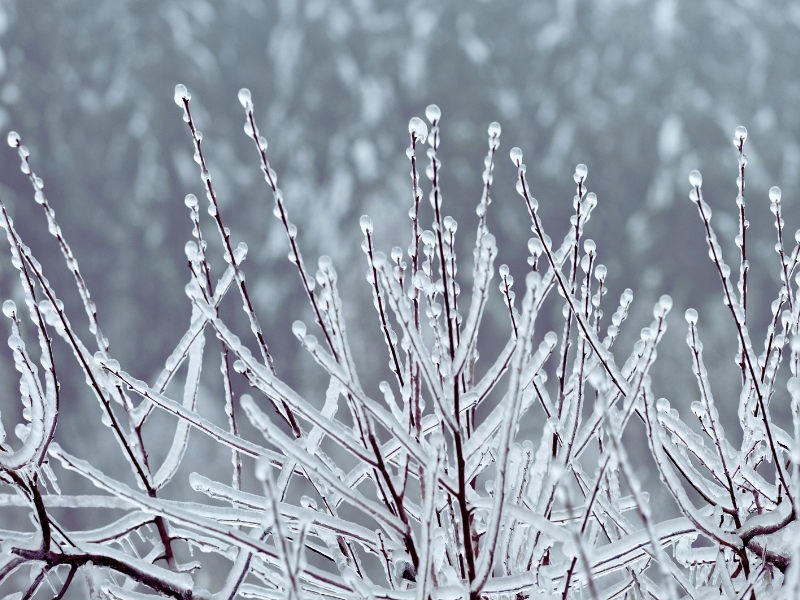
Heavy Snow and Ice
Due to the heavy snow produced by the lake effect, your tree’s branches can bend and break. This can cause significant harm to your trees in winter, as they won’t be able to fully heal unless their branches are pruned properly.
How Can I Help My Trees?
If you’re worried about what may happen to your trees in winter, fear not! There are many things you can do to create winter protection for trees. Below we’ve compiled four helpful ways you can help your trees while battling lake effect snow in Valparaiso and Northwest Indiana. Remember, if you have any questions or concerns, don’t hesitate to reach out to your local tree contractors.
Know How Your Trees will Respond to the Weather
Although trees all share a similar process to dormancy, some of them may be more at risk to the weather than others. For example, evergreens are much more susceptible to desiccation than deciduous trees. With this in mind, you’ll be prepared to keep a close eye on your evergreen trees for any signs of desiccation.
Water Them Before the 1st Freeze
To help avoid desiccation, you can water your trees up until the first freeze. However, this should only be done if there isn’t sufficient rainfall during the autumn season. Too much water can cause more harm than good in this case.
Prune Branches If They Break
Sometimes, heavy snow and wind can damage twigs and branches and break them, causing damage to trees in winter. If you find broken branches, it’s important to get a professional out to your property right away so they can prune your trees and allow them to heal properly.
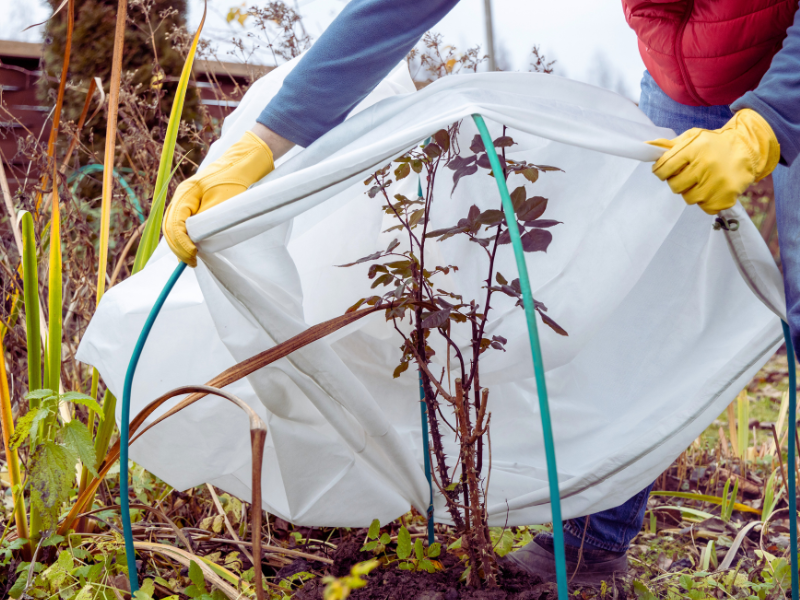
Place Physical Barriers on Your Trees
Placing plastic or paper tree wraps can help them maintain heat and prevent frost cracking and sunscald by blocking the sunlight. However, these must be removed during the summertime because insects can hide under the wrap and create issues.
Know that There Are Many Factors Outside of Your Control
Unfortunately, there is only such much one can do to protect their trees in winter. A lot of natural factors can impact a tree’s dormancy, including the timing and amount of rainfall, the growing season, how cold the winter is, and more factors. Resources towards the end of this blog have been provided to help you discover more about the factors outside of lake effect snow that have an impact on trees.
Recap: How Lake Effect Snow Can Impact Your Trees
Let’s review what lake effect snow is, what trees do during the winter, and how lake effect snow can negatively impact your trees. Lake effect snow is a weather condition which results in heavy snow across states surrounded by the Great Lakes, particularly Valparaiso and Northwest Indiana. Due to the intense winter, trees often enter a state called dormancy, where their metabolism changes, their bark hardens to maintain heat and protect the tree from the cold, and some of these trees will shed their leaves. However, due to natural factors, your tree could face several dangers such as desiccation (winter dehydration or winter burn), frost cracking, sunscald, frost heaving, and damage from heavy snow. Luckily, with methods like placing physical barriers, pruning your branches if they break, watering your trees prior to the first freeze, and knowing what can damage your trees, you may be able to keep your property safe.
Resources
Learn more about winter tree care by visiting the links below.
Unsure of What to Do? Call T&T Tree Service today!
Winter protection for trees can be a serious concern. Whether you’ve had trees on your property for many years or this is your first time caring for trees in winter, it’s never a bad idea to talk to your local, reliable tree company. Here at T&T Tree Service, we have the resources and tools you need to keep your property in Valparaiso and Northwest Indiana safe from lake effect snow.
Our team will be there to help you with each question, and we can offer you a free estimate if you’d like us to look at your property. All you have to do is give us a call, and we’ll respond quickly and be out to your property as quickly as possible. Whether you need tree trimming before the winter or emergency tree care after the snow, our team will help. Don’t let lake effect snow ruin your trees this winter – call T&T Tree Service today!