Is this Insect Helpful or Harmful? Knowing the Difference Between Dangerous and Beneficial Insects
By
/ October 4, 2024
Have you been noticing many insects in your yard, but you’re not sure which ones are supposed to be there, and which ones aren’t? It’s important to know the difference between good insects and pests – you don’t want to get rid of your yard’s natural defenders! Beneficial insects can help protect your property, so you’ll want to keep them around as much as possible.
In this article, we’ll discuss the difference between beneficial insects and pests. We’ll give you a few examples of each, so you can be prepared for what kinds of insects you may encounter. If you’re still unsure of what kind of insects you have on your property, you should reach out to your local pest control or tree service company for inspections.
What Is the Difference Between a Beneficial Insect and a Pest?
The first thing one should do when investigating an insect on their property is to determine if they’re dealing with a helpful or harmful insect. It’s important to be knowledgeable about both beneficial and dangerous insects, because then you can determine what needs to be done if your yard seems to be suffering. Below we have analyzed the difference between beneficial insects and pests. Look through this analysis, then read on to find some examples of each kind of insect.
Beneficial Insects
A beneficial insect is a bug or insect whose purpose is to help nature grow. They are naturally occurring in the environment and benefit the area around them one way or another. Beneficial insects usually fall into one or more of these three categories: pollinators, parasitoids, and predators. Each has their own purpose to maintain natural life; pollinators help plants reproduce and gardens flourish, while parasitoids and predators help get rid of pests and invasive species.
Additionally, beneficial insects contribute to the following:
Soil aeration
Breaking down waste
Feeling wildlife
Producing products that benefit humans (i.e. honey)
Beneficial insects always contribute to the natural order of wildlife in one way or another.
Harmful Pests
Pests are insects that do not contribute to the natural environment in any way that is beneficial. Usually, pests are responsible for the following:
Destroying trees
Laying eggs or leaving substances that are harmful to the environment
Invading your homes
Wrecking gardens
Ruining your home & outside property
Pests can be a real problem and very harmful to the environment. If you think you may have pests on your trees, it may be worth getting a tree inspection. Pests on or in your house should be handled by your local pest control.
What Are Some Examples of Beneficial Insects?
Below we’ve compiled a short, non-exhaustive list of some helpful insects. Some of these insects may seem to not be beneficial at all, but each has a purpose in the natural order and contributes in some way to the betterment of their environment.
Honeybees
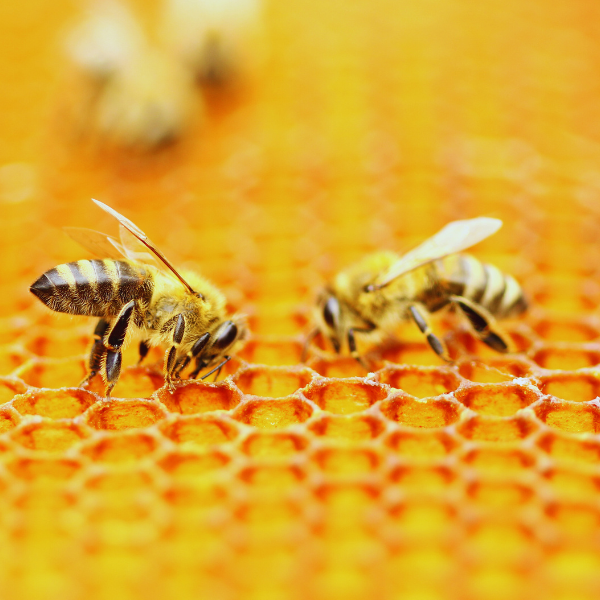
Honeybees are a pollinator and ensure that your yard is flourishing. They also create honey, which is beneficial to humans.
Parasitic & Predatory Wasps
Although wasps are considered to be bothersome pests, parasitic and predatory wasps are beneficial to the environment because they prey on pests and dangerous insects.
Spiders
Although spiders are a major cause of fear and are unsightly creatures, these predators are very helpful to the environment if they are outside and able to hunt.
Caterpillars & Butterflies
Caterpillars and butterflies are very beneficial because they become pollinators after they cocoon.
What Are Some Examples of Pests?
Below is a short, non-exhaustive list of harmful insects you may encounter. We’ve chosen a couple that are invasive species to Indiana, along with others that are native to our state.
Bagworms
Unlike other caterpillars, bagworms do not turn into majestic butterflies that help pollination. Instead, they simply feed on trees, draining its life slowly.
European Cherry Fruit Fly
European cherry fruit flies are harmful insects that feed on ripe fruits, damaging it until it rots and falls off the tree.
Asian Long-horned Beetle
The Asian Long-horned Beetle burrow themselves into trees, hollowing out the inside and cutting off important nutrients. If they are not caught quickly enough, they will kill the tree.
Spotted Lanternfly
The spotted lanternfly is a very harmful invasive species to Indiana. They feed on tree sap and will spread honeydew, which molds and damages the environment. They lay egg masses on many structures.
Summary: Beneficial Insects vs. Pests
Let’s review the differences between beneficial and dangerous insects. Beneficial insects generally fall into 3 categories: pollinator, parasitoid, and predator, and often contribute in several ways to serve their surrounding environment. Pests are simply harmful insects that damage their surrounding environment, including trees, plants, gardens, and your home. There are many kinds of both helpful insects and harmful insects, so don’t be afraid to enlist your local tree service or pest control for extra help.
Not Sure What You’re Dealing With? T&T Tree Service is Here to Help!
Is your tree dying earlier than usual this season? It could be due to a pesky pest burrowing in your tree. Luckily, you’ve found T&T Tree Service! We can inspect your tree for any pest damage, and depending on how severe the damage is, we can provide services such as safe tree removals, reliable stump grinding, tree trimming and pruning, and much more! Call us today to schedule your tree inspection and services.